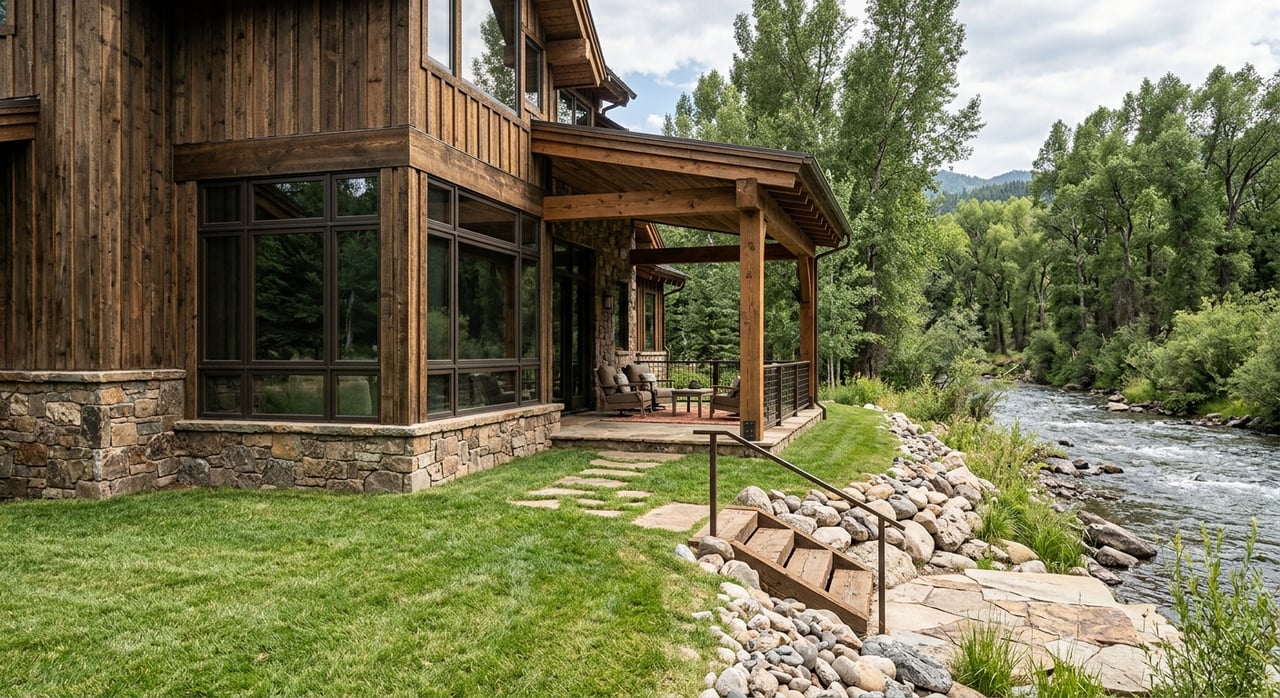
Missouri River Homes Near Cascade MT: What Buyers Should Know
May 28, 2026
May 28, 2026
Wondering what it’s really like to live along the Missouri River near Cascade, Montana? The answer is more layered than just pretty views and easy water access. If you are thinking about buying near this stretch of river, it helps to understand how recreation, access, floodplain rules, and property upkeep can shape daily life. Let’s dive in.
Living along the Missouri near Cascade often means being part of an active river corridor, not a quiet edge with little outside use. Montana Fish, Wildlife & Parks describes the 35-mile reach from Holter Dam to Cascade Bridge as one of Montana’s premier trout fisheries, and the area has averaged more than 113,000 angler days per year since 1991.
That level of use matters when you picture everyday life. You may enjoy beautiful water views, nearby recreation, and a strong sense of place, but you should also expect seasonal visitor traffic, busy access points, and a steady outdoor presence along the corridor.
FWP also estimated about $60.2 million in annual angler-related revenue in 2019 for this reach. That tells you the river is not just scenic. It is a major recreation asset that draws people from around Montana and beyond.
Depending on where you live near Cascade, daily life can include more than fishing activity. This stretch of the Missouri also supports floating, picnicking, walking, bird watching, camping, trapping, and hunting.
Nearby Tower Rock State Park adds more day-use activity with hiking, history, photography, and river views. Cascade County also identifies the lowlands as wildlife habitat for deer, antelope, pheasant, waterfowl, otter, and more, so wildlife sightings can be part of the experience too.
If you search for property near Cascade, you will likely find a mix of options. Based on county and FWP materials, that can include in-town homes, river-adjacent single-family properties, rural acreage, and larger agricultural or recreational parcels in the valley lowlands.
Cascade County describes these lowlands as floodplain and alluvial valley floor, with cultivated land and riparian vegetation such as cottonwood and willow. In practical terms, that means the setting can feel open, natural, and attractive, but it also comes with conditions that deserve close review.
For many buyers, the biggest choice is simple: town convenience or river-corridor lifestyle. A home in town may offer easier upkeep and fewer site-specific land concerns, while a river-adjacent property may offer stronger scenery, recreation appeal, and a more outdoor-focused setting.
That does not mean one option is always better. It means your best fit depends on how much maintenance complexity, access planning, and floodplain due diligence you are comfortable handling.
Access is one of the biggest draws of this area. Old Highway 91 serves as a state Recreation Road along much of the river downstream toward Cascade, and FWP notes 11 fishing access sites downstream from Wolf Creek Bridge, plus six more from Cascade to Morony Reservoir and Giant Springs State Park.
That density of access helps explain why nearby properties can feel connected to a larger recreation network. It also helps explain why parking, traffic, and visitor volume may matter more here than some buyers first expect.
Not every access point works the same way. FWP materials for the Cascade stretch list locations such as Mountain Palace, Hardy Bridge, Prewett Creek, Pelican Point, and Wing Dam, but amenities vary from site to site.
Some sites are undeveloped. Some have limited trailer parking. Some require crossing railroad tracks to reach the river. If easy launching or simple river entry is important to you, you will want to verify the details of the specific access points you expect to use.
One detail buyers sometimes miss is that public launch and access infrastructure is not fixed forever. FWP notices have included boat-ramp repair at Mountain Palace and ramp removal at Prewett.
That means you should not assume a ramp, access path, or launch setup will stay exactly as shown on an older map or past listing photos. If river access is part of your buying decision, checking current conditions is smart.
This is one of the most important things to understand before you buy near the river. Under Montana stream-access law, the public may use rivers and streams for recreation up to the ordinary high-water mark.
At the same time, that does not allow people to cross private land to reach the water or enter posted land bordering the stream. Public bridge access and county-road right-of-way access are recognized separately.
If you own river-adjacent property, you should know that public use in the water is not the same thing as unrestricted use of private land. If you are buying without direct river frontage, you should know that enjoying the river still depends on lawful public access points rather than crossing someone else’s property.
This distinction matters for expectations, privacy, and how you evaluate a parcel. It is one of the key differences between owning near the Missouri and simply admiring it from a map.
The Missouri valley near Cascade is not just scenic ground. Cascade County describes much of the valley floor as floodplain and alluvial lowland, and the county’s floodplain regulations require a floodplain permit before many types of development activity within designated floodplain areas.
That permit requirement can apply to buildings, manufactured homes, utilities, roads, bridges, culverts, levees, riprap, grading, excavation, and channel modifications. Routine maintenance of existing structures is generally exempt, but new work or major changes may require review.
If you are considering a river-adjacent property, it is wise to think beyond the house itself. Future plans like adding site improvements, adjusting the bank, changing drainage, or expanding certain structures may involve more review than you would face on a typical in-town lot.
This does not make river ownership a bad idea. It simply means river properties often reward buyers who ask good questions early and plan improvements carefully.
Cascade County’s growth policy identifies flooding, high groundwater, and stream-bank erosion as hazards in the alluvial lowlands. It also notes that seasonal high groundwater can create septic-system problems.
Those are practical ownership issues, not just technical details. If you are buying near the river, drainage, septic design, and bank stability should all be part of your due diligence.
FWP reports that bank-side development in this region has already led to features such as boat ramps, stairs, boat docks, riprap, retaining walls, and vegetation grooming. At the same time, FWP recommends that conservation districts not permit new boat ramps in the Holter Dam-to-Cascade Bridge reach.
For buyers, that is another reminder to evaluate what already exists on a property, what condition it is in, and what may or may not be easy to change later. Riverfront ownership often brings more moving parts than a standard residential lot.
FWP says the Missouri River in central Montana has seen drought-related peak-flow reductions in some periods, and dam operations are coordinated through annual flow forecasts and water-supply discussions. State park and FWP sites can also be affected by floods, fire, drought, or major maintenance.
The takeaway is simple. Living near the river can be rewarding, but conditions on the water and at access sites can change from season to season and year to year.
If you want a home base that connects you to fishing, floating, wildlife, and big Montana views, the Missouri River corridor near Cascade offers a strong lifestyle draw. This area appeals to buyers who value scenery and outdoor access and are comfortable looking closely at land conditions, permits, and maintenance realities.
If your priority is simplicity, a home in town may offer an easier day-to-day ownership experience. If your priority is a closer connection to the river, a river-adjacent or rural property may be worth the added complexity.
The key is matching the property to the life you want to live, not just the photo that first catches your eye. That kind of fit matters in every market, but especially along a working, well-used river corridor like this one.
When you are ready to compare town properties, small acreage, or river-oriented opportunities near Cascade, the team at Live in Montana Real Estate can help you look at the details with local perspective and practical guidance.
Stay up to date on the latest real estate trends.


Live In Montana Real Estate delivers deep local knowledge and full-service support—residential, land, and commercial. Let them guide you through Montana’s unique market with integrity, expertise, and personalized care for every property need.