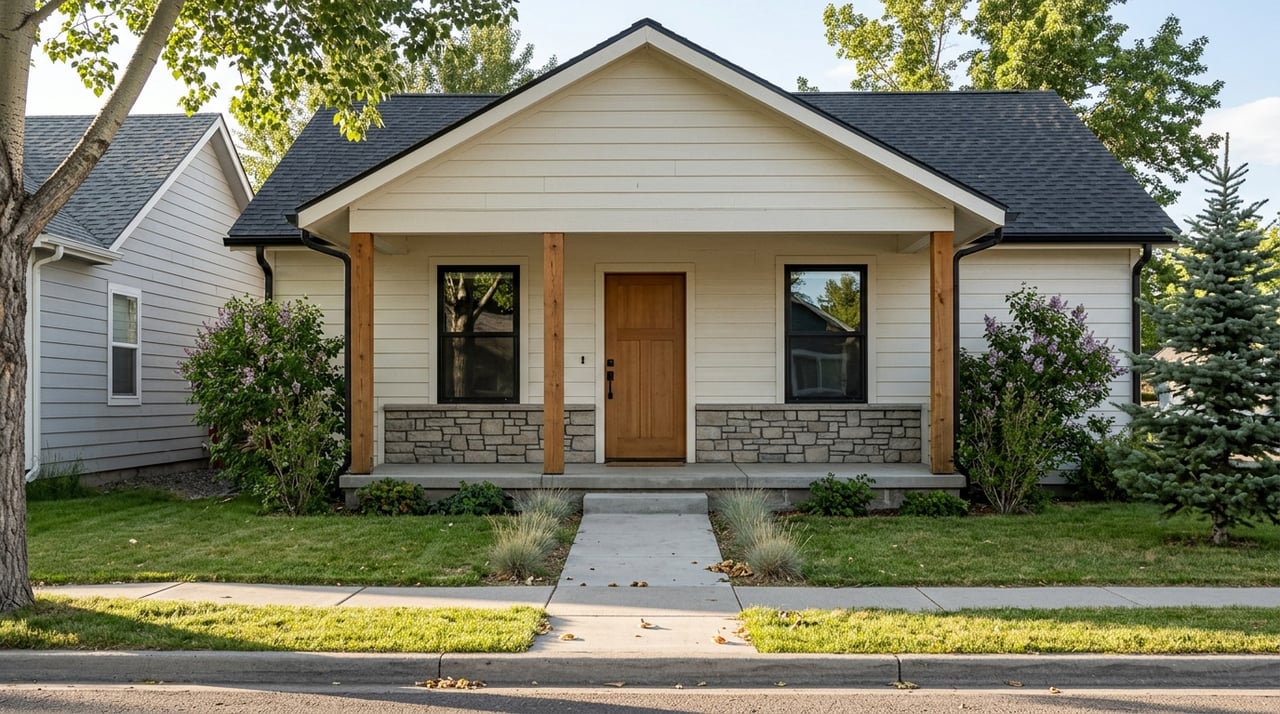
Deciding Between In-Town And Rural Choteau Homes
July 23, 2026
July 23, 2026
Wondering whether you should buy a home in town or head a few minutes out for more space? In the Choteau area, that choice can shape everything from your daily drive to how you handle water, sewer, snow removal, and property upkeep. If you are comparing in-town Choteau homes with rural properties in Teton County, this guide will help you sort through the trade-offs so you can choose the setting that fits your life best. Let’s dive in.
Choteau and the surrounding county offer two very different living experiences. Choteau has about 1,479 residents in roughly 1.5 square miles, while Teton County has 6,353 residents spread across 2,271.6 square miles. That contrast helps explain why buying in town can feel very different from buying on rural acreage.
The housing and commute patterns are different too. Census data in the research report shows a median owner-occupied home value of $206,000 in Choteau compared with $264,000 countywide. Mean commute time is 17.3 minutes in town and 21.8 minutes countywide, which reflects the broader distances that often come with rural living.
One of the biggest advantages of living in town is access to municipal services. Choteau has a city water system served by multiple wells, and the city wastewater system serves the city limits through sewer mains and a mechanical treatment facility. For many buyers, that means less day-to-day responsibility for private infrastructure.
City services also include sanitation pickup routes that run four days per week. The city services page also highlights recycling and composting access. If you value a more built-in service setup, this can be a major plus.
Many public services are centered in Choteau. Choteau Public Schools are located in town, and the county also places the joint city-county library there. The library offers public computers, wireless internet, printing, copying, a meeting room, and a food bank.
Other community services are also based in Choteau, including Teton County EMS and the sheriff’s office. That does not mean rural residents lack access to services, but it does mean an in-town address often places you closer to day-to-day resources.
In-town living often comes with a different lot profile than rural ownership. Choteau’s growth policy describes the city center as a mix of older residential homes, with single-family homes around main transportation corridors. It also notes that city land is limited by zoning, floodplain, and conservation easements.
That local planning context suggests in-town lots are often more constrained than rural parcels. The city also requires zoning permits for new construction, additions, fences, and signs. If you prefer a more defined town setting, that structure may feel helpful. If you want more room and flexibility, rural property may be a better fit.
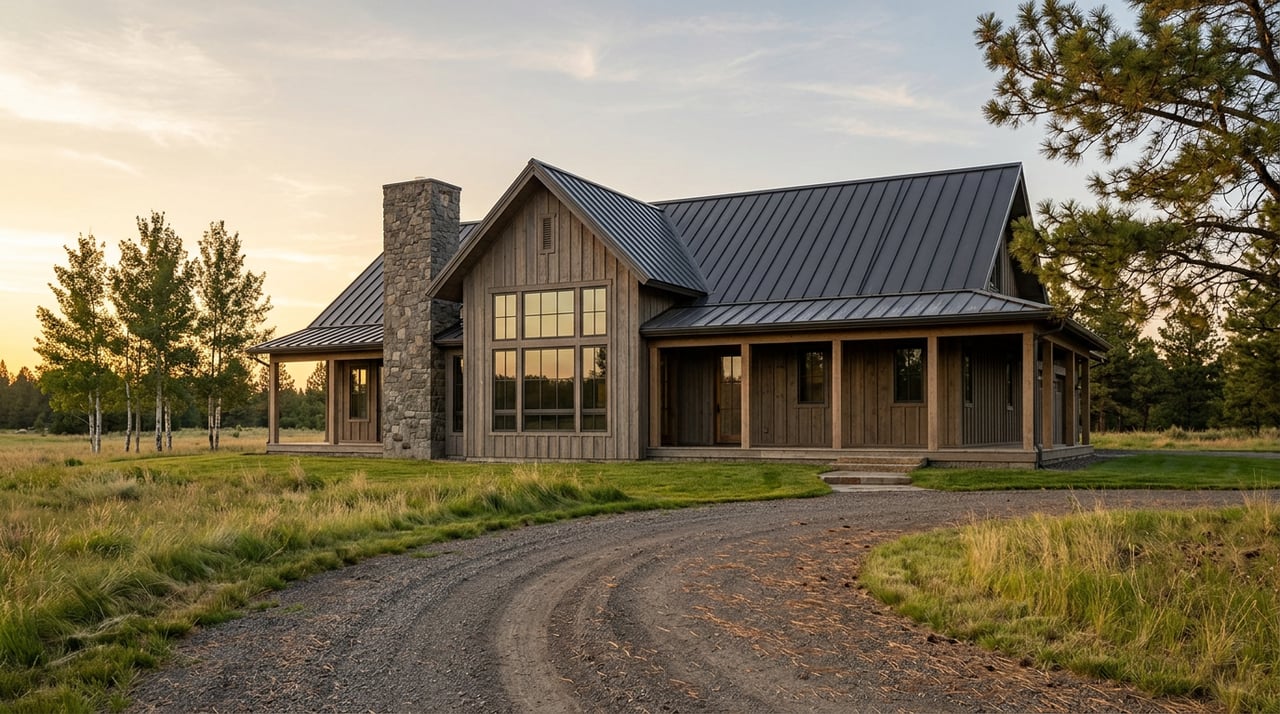
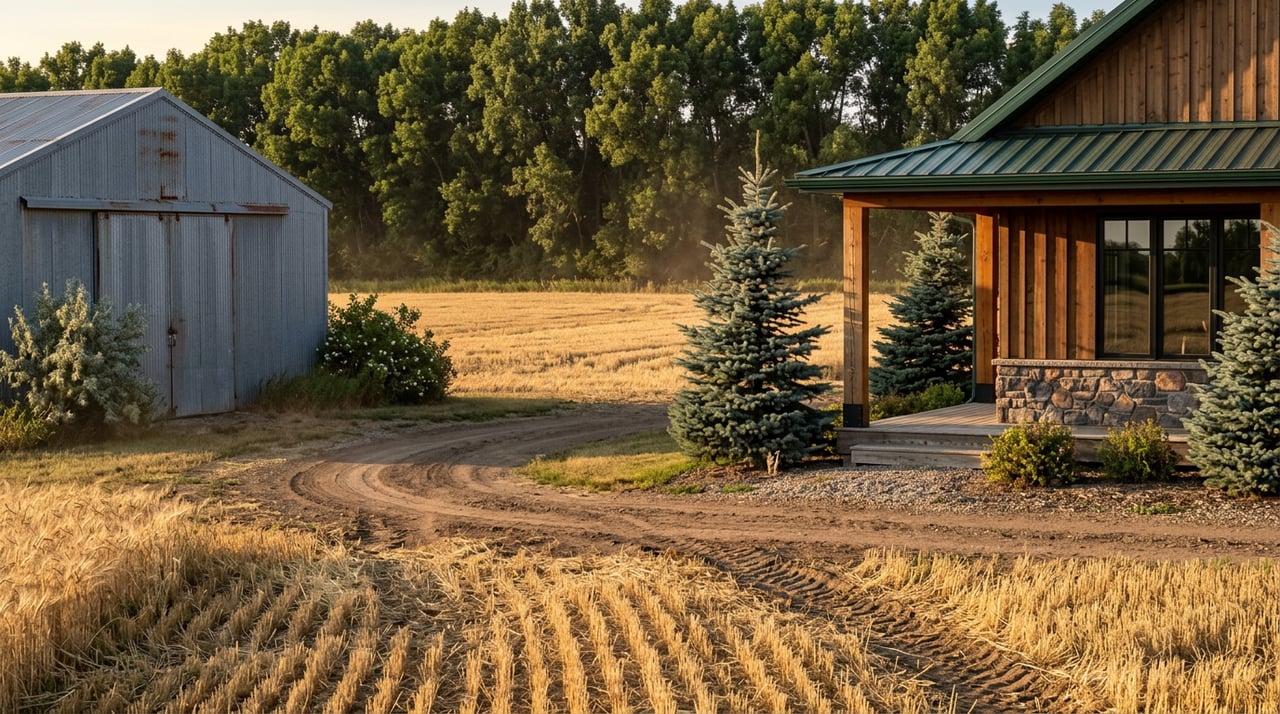
Outside town, the setting changes quickly. Teton County’s planning documents describe the county as a sparsely populated area linked by miles of country roads and highways, with land use dominated by agricultural and Forest Service land. That helps explain why rural buyers often focus on larger parcels, more privacy, and a land-centered lifestyle.
Not every rural listing is the same, of course. Still, if your goal is room for outbuildings, open views, or a property that feels more removed from town, the rural market around Choteau may offer options that are hard to find inside city limits.
Rural homes often come with more hands-on property systems. Outside public wastewater areas, individual septic systems are commonly used, and the county sanitarian handles septic permitting. The county also notes that development on parcels under 20 acres must be reviewed by the county sanitarian and the Montana Department of Environmental Quality.
Water can also be more independent in rural areas. Teton County offers private well water testing kits at the annex in Choteau, which points to a practical part of rural ownership. If you are comfortable learning how a well and septic system work, rural living may be a good fit. If not, in-town infrastructure may feel simpler.
Teton County notes the absence of zoning in the county, and the county planner handles rural addresses along with floodplain and subdivision administration. That can mean a different framework than you would find in town. In some cases, buyers are drawn to that flexibility.
At the same time, fewer municipal systems usually means you need to ask more questions before you buy. Access, floodplain review, utilities, and site conditions can all matter a great deal on a rural property. This is where local guidance becomes especially valuable.
A simple starting question is whether you want city water and sewer or whether you are comfortable with a private well and septic system. In-town homes usually reduce the amount of private infrastructure you need to manage. Rural homes may offer more independence, but that often comes with more upkeep and more systems to understand.
Winter access can look different outside town. Teton County’s Road Department provides snow removal on county roads using a priority system that emphasizes secondary roads, school bus routes, paved roads, mail routes, and gravel roads as conditions allow. That means road location can be an important factor when you evaluate a rural property.
If you want a setup with easier day-to-day travel and less uncertainty during winter weather, living in town may feel more predictable. If you are comfortable planning around changing road conditions, a rural location may still be well worth it.
Trash service is another practical difference. In Choteau, city sanitation crews run regular pickup routes. In parts of rural Teton County, if you are not in a refuse district or a municipality that collects solid waste, you are responsible for joining a refuse district or contracting garbage service.
That may sound like a small detail, but it affects weekly life. It is a good reminder that rural living often rewards buyers who are comfortable handling more logistics themselves.
If being near schools, the library, public offices, and other services matters to you, in-town Choteau may check more boxes. Choteau Public Schools and the joint city-county library are both located in town, along with several public safety and county services. For some buyers, that convenience is a big part of the decision.
If you care more about open space, distance from neighbors, and a property shaped by agriculture or countryside surroundings, a rural location may feel more aligned with your goals. Neither option is better across the board. It depends on how you want to live.
Before you decide between in-town and rural Choteau homes, ask yourself:
These questions matter in Choteau because the town and county operate under different service and land-use systems. The right answer usually comes down to your daily routine, your comfort with property upkeep, and the kind of setting that feels right to you.
If you are deciding between in-town and rural homes near Choteau, it helps to compare more than price and square footage. You also want to look closely at utilities, lot size, road access, permitting, and how close you want to be to town services. Those details often shape your long-term satisfaction more than buyers expect.
A local real estate guide can help you weigh those factors in a practical way. That is especially helpful in a market like Choteau, where a property a few minutes outside town may come with a very different ownership experience than one inside city limits.
Whether you want a home close to Choteau’s everyday amenities or a rural property with more room to spread out, Live in Montana Real Estate can help you compare your options and find the right fit.
Stay up to date on the latest real estate trends.


Live In Montana Real Estate delivers deep local knowledge and full-service support—residential, land, and commercial. Let them guide you through Montana’s unique market with integrity, expertise, and personalized care for every property need.