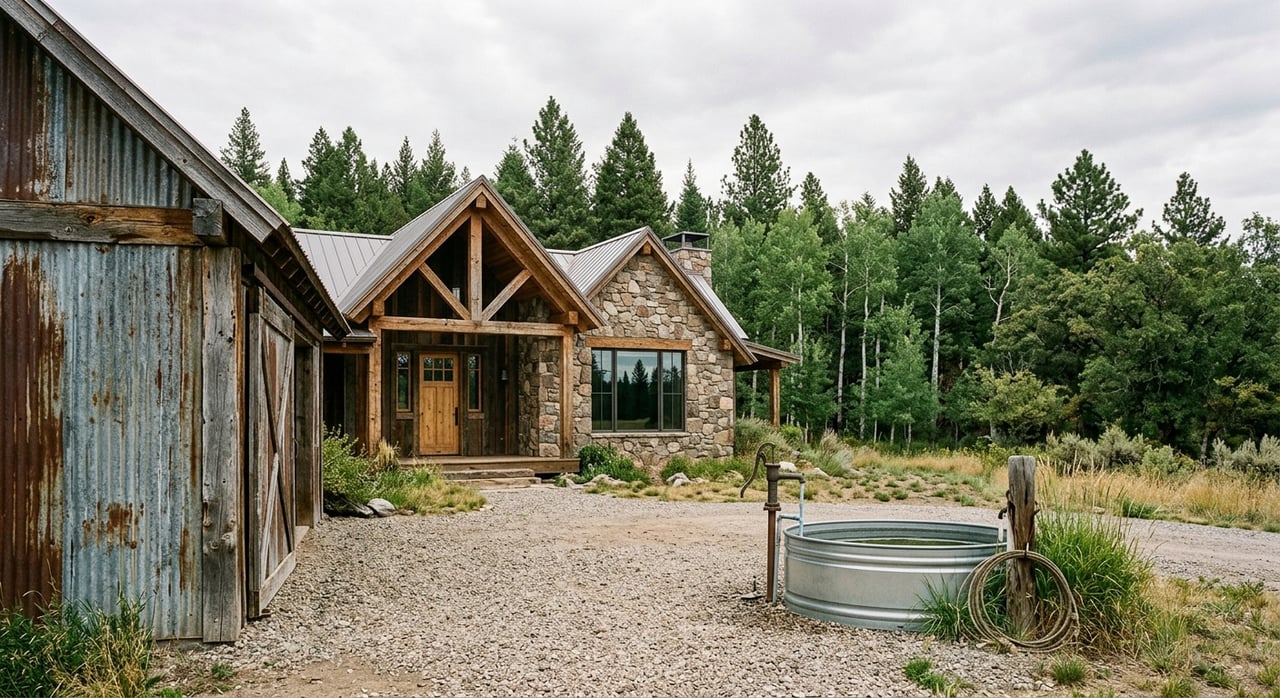
Buying Ranch Or Farm Land Around Cut Bank
July 9, 2026
July 9, 2026
Buying ranch or farm land around Cut Bank is not like buying a simple vacant lot. One parcel may be a small acreage with a homesite, while another may be a working operation with pasture, cropland, water rights, and access questions that affect how you can use it. If you are trying to make a smart land purchase in Glacier County, it helps to know what matters most before you write an offer. Let’s dive in.
Around Cut Bank, acreage is not one-size-fits-all. Glacier County is a large agricultural county with 361 farms covering 1,115,475 acres, and the mix of land reflects both crop and livestock use. In the 2022 county profile, crop sales and livestock sales each made up 50% of agricultural sales, which gives you a clear picture of the county’s mixed farm-and-ranch character.
That scale can feel surprising if you are coming from another market. The average farm size in the 2022 county data was 3,090 acres, but that number is pulled upward by large holdings. Earlier MSU county data reported a median farm size of 350 acres, which is a useful reminder that many buyers will encounter everything from smaller tracts to very large working ranches.
Parcel size varies widely in Glacier County, which means your first step is defining how you actually plan to use the land. Some buyers want a manageable homesite with room for animals, while others want grazing ground, cropland, or a long-term legacy property. The county numbers show that all of those options can exist in the same broader market.
Here is how farm sizes were distributed in the 2022 USDA county profile:
Those numbers matter because they shape expectations. If you are searching for a smaller property near Cut Bank, inventory may look very different from what you would see in a market dominated by residential acreages. If you are shopping for a larger ranch or mixed-use tract, you still need to separate a property’s size from its actual utility.
Acreage alone does not tell you much about a property’s value or function. In Glacier County, the 2022 USDA profile showed 424,584 cropland acres, 644,051 pastureland acres, and 17,646 irrigated acres. That means pasture and cropland are both major parts of the local landscape, while irrigation is relatively limited.
For you as a buyer, that makes irrigation and water infrastructure especially important to document. A tract with reliable irrigation, developed water, or existing improvements may function very differently from raw land with no built systems in place. If a listing mentions irrigation, stock water, wells, or other water-related features, those details deserve close review.
The Cut Bank area is beautiful and productive, but it is also a dry environment with a short growing season. NRCS reports that Glacier County has mean annual precipitation ranging from 10 to 20 inches, elevations from 3,000 to 6,000 feet, and a growing season of about 60 to 110 days. NOAA normals for Cut Bank Airport show 10.90 inches of annual precipitation, which reinforces how important water and forage planning can be.
This matters whether you are buying a cattle property, a mixed-use operation, or a smaller tract with agricultural goals. Native rangeland plants, introduced forages, and annual crops all play a role in the county. NRCS also notes crops such as winter wheat, spring wheat, barley, peas, lentils, camelina, canola, and flax, so land suitability depends on the property’s specific conditions, not just its location on a map.
One of the biggest mistakes land buyers make is assuming a property has usable legal access because they can see a road on a map. In Montana, that is not enough. Around Cut Bank, you want to confirm access as a title issue, not just a visual one.
Montana DNRC says it does not handle easements for private land transactions and advises buyers with unclear private access to work through the listing agent, title company, or attorney. If access crosses State of Montana trust land, DNRC’s Rights-of-Way and Easements section handles applications, and those easements can be used for private access roads for residential and farm-ranch purposes.
Road maintenance can matter just as much as legal access. Glacier County’s Roads Department maintains about 900 miles of roadway, so there can be a big difference between land with county-maintained frontage and land that depends on a private road agreement. Before you close, make sure you understand both how you reach the property and who is responsible for maintaining that route.
Water is often one of the most important parts of a Montana land purchase, and it should never be assumed. DNRC explains that the Montana Water Use Act of 1973 created the permit system for new water uses. Most new or expanded uses after June 30, 1973 require either a Beneficial Water Use Permit or use of the groundwater notice process.
If you are buying ranch or farm land around Cut Bank, check whether water rights exist and whether ownership records are current. DNRC advises buyers to use the Water Right Query System to determine whether a water right already exists and whether ownership needs to be updated. It also notes that ownership changes should be recorded separately when rights are divided, exempted, or severed.
In plain terms, you want clear answers to questions like these:
Improved land and raw land are two very different products, even when the acre count is the same. A parcel with a residence, outbuildings, fencing, water infrastructure, septic, or irrigation equipment may offer immediate utility that raw land does not. It can also create a more detailed due diligence process because each improvement should be verified.
This is especially true in a county where irrigated acres are limited and where water and wastewater infrastructure can strongly affect use. If a property already has working systems in place, that may save time and expense. If it does not, you need to understand what approvals and construction steps may be required before the land fits your plans.
If you are considering a smaller parcel or a tract created through land division, sanitation review is a key part of the file. Montana DEQ reviews land divisions of less than 20 acres, and its review is limited to sanitation facilities such as water supply, sewage disposal, solid waste disposal, and storm drainage.
DEQ states that, in most situations, lots created after 1961 and under 20 acres will have either a Certificate of Subdivision Approval or sanitary restrictions. It also says local health departments are the best place to confirm COSA or lot-layout records. Well locations are typically shown on the approved lot layout with a 100-foot well-isolation zone.
For you, the practical takeaway is simple: do not assume a smaller parcel is ready for a home, cabin, or other improvement just because it looks buildable. The paper trail matters. If your plans depend on a well, septic system, or homesite placement, verify those details early.
Good land due diligence is part fieldwork and part paperwork. The Glacier County Clerk and Recorder’s office records deeds, certificates of survey, and subdivision plats, which makes it an important source for confirming the legal history of a parcel. The Montana Cadastral database also serves as the statewide parcel layer for public-private land ownership and tax parcel information.
Property taxes should be checked before closing as well. The county treasurer page provides property tax payment search and delinquent tax information, which can help you confirm the property’s current status. These record checks may not be the exciting part of buying land, but they are often where important issues show up.
Many buyers focus on fences, grass, and views, but the deed deserves just as much attention. In Montana, mineral ownership can be separate from surface ownership. DNRC defines a split estate as a situation where the mineral estate is owned by someone other than the surface owner.
That matters because mineral rights can affect what comes with the property and what activity may be allowed in the future. DNRC recommends consulting an attorney about leasing and royalty issues, and BLM notes that split estates are common across millions of private acres in the Montana-Dakotas region. If you are buying near Cut Bank, check the deed for mineral reservations and verify any assumptions about subsurface rights.
If your goal is grazing, hay ground, or mixed agricultural use, local conditions should guide your plan. Glacier County’s dry climate, short growing season, and varied land base mean carrying capacity is not something to guess at from acreage alone. What works on one tract may not work on another.
NRCS notes that native rangeland plants, introduced forages, and crops are grown throughout the county, with livestock and wildlife coexisting. MSU Extension materials point buyers toward stocking-rate guidance and local Extension or NRCS input, which can be especially helpful when you are evaluating forage capacity or long-term land management goals.
Land deals usually need a broader team than a standard home purchase. Around Cut Bank, a practical team may include a land and ranch agent familiar with Glacier County, a title company, a real estate attorney, and a surveyor when boundaries or legal descriptions are unclear. Depending on the property, you may also need DNRC for water or trust-land questions, DEQ or the local health department for septic and subdivision feasibility, and MSU Extension or NRCS for forage, soil, and conservation guidance.
That team approach can save you from expensive assumptions. It also helps you move from “I like this land” to “I understand this land.” In a market where access, water, and title details can shape value as much as acreage itself, that is a big advantage.
When you look at ranch or farm land around Cut Bank, start with the basics that affect real-world use. Acre count is important, but it should not be the only headline. A smaller tract with strong access, verified water, and usable improvements may fit your goals better than a much larger parcel with unresolved questions.
A smart review often starts with these priorities:
If you are thinking about buying land in north-central Montana, having local guidance can make the process clearer and more confident. When you are ready to talk through acreage, ranch properties, or land opportunities around Cut Bank, connect with Live in Montana Real Estate.
Stay up to date on the latest real estate trends.


Live In Montana Real Estate delivers deep local knowledge and full-service support—residential, land, and commercial. Let them guide you through Montana’s unique market with integrity, expertise, and personalized care for every property need.