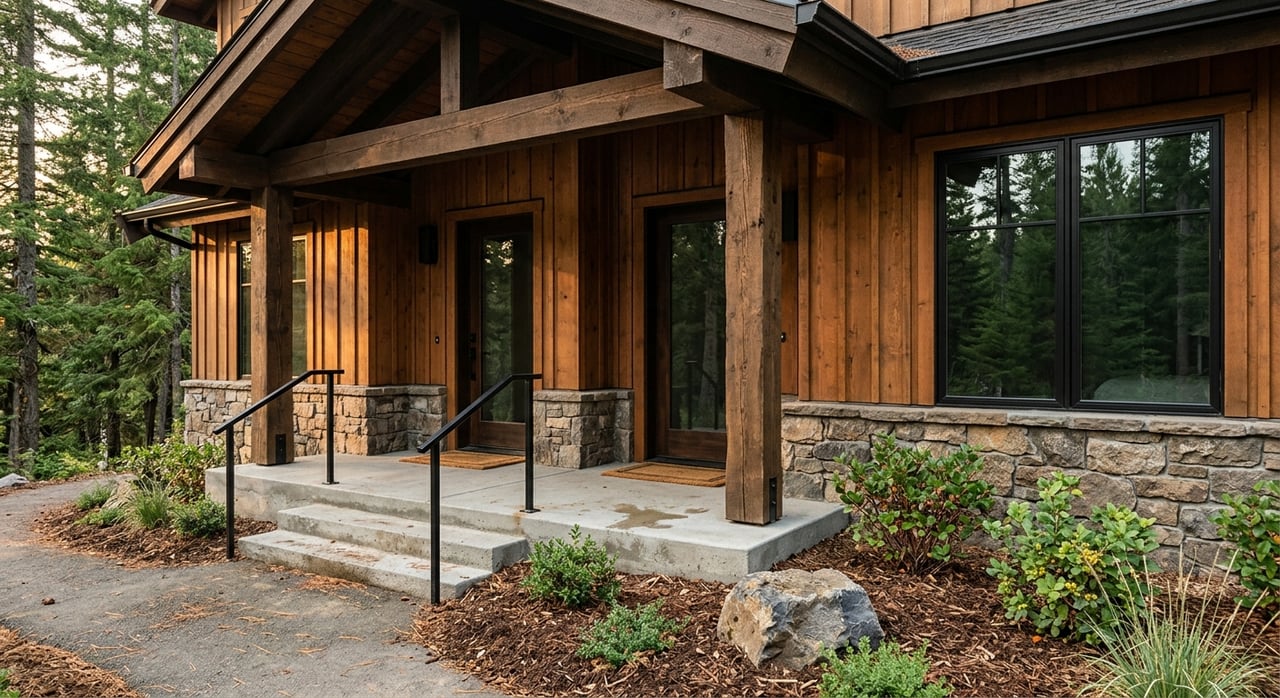
Choosing A Condo Or Home In Whitefish
June 11, 2026
June 11, 2026
If you are trying to choose between a condo and a home in Whitefish, you are not alone. This is one of those decisions that sounds simple at first, but in a place like Whitefish, your lifestyle, budget, upkeep expectations, and long-term plans can all point in different directions. The good news is that once you understand how each option fits the local market, the choice gets much clearer. Let’s dive in.
Whitefish is not a one-size-fits-all market. The city describes itself as a major recreation center, and the broader area includes everything from downtown homes and Whitefish Lake properties to slope-side condos, cabins in the woods, and mountain retreats.
That variety is a big reason why choosing a condo or a home in Whitefish is about more than square footage. In many cases, the property type also affects where you live, how much maintenance you take on, and how you use the property throughout the year.
The local housing picture also shapes the decision. According to the City of Whitefish 2025 housing assessment, the Whitefish Area median sold price was $906,625 for homes sold from January through April 2025, and the community needs roughly 930 to 1,500 additional units over the next decade.
On top of that, Whitefish has a notable share of second homes and seasonal housing. The same assessment says about 19% of housing units are classified as vacant, and 77% of those vacant units are seasonal or recreational rather than year-round residences.
If you want convenience and a more flexible ownership experience, a condo or townhome may be the better fit. In Whitefish, these properties often appeal to buyers who want a second home base, less exterior upkeep, or easier access to recreation.
That is especially true near downtown and the resort area. The city’s downtown planning supports additional townhome, apartment, and condominium housing, while Whitefish Mountain Resort includes townhomes and hotel-style units among its vacation rental offerings, including some with ski-in/ski-out access.
For many buyers, that means a condo is less about settling for less and more about choosing a specific lifestyle. If your ideal Whitefish routine includes skiing, biking, dining out, and locking the door when you head out of town, a condo can be a strong match.
A condo or townhome in Whitefish may work well for you if you want:
Downtown living can be a big draw. Whitefish offers free downtown parking with 2-hour on-street parking and three 3-hour lots, though overnight parking restrictions apply from 2:30 a.m. to 6 a.m. for snow removal and street sweeping. If you value walkability more than a private driveway right outside your door, that tradeoff may feel well worth it.
Condo ownership usually comes with shared governance, which means you will want to look closely at the homeowners association or condo association before making an offer. Dues, rules, reserves, parking details, insurance coverage, and possible special assessments can all affect your monthly cost and overall ownership experience.
This is an important point in Whitefish, where many properties are used seasonally. A condo may feel simple on the surface, but the real fit depends on the details inside the association documents and how those rules align with your goals.
If you want more privacy, more control, and more room to spread out, a single-family home may be the better choice. Detached homes in Whitefish often appeal to buyers who plan to live in the property full time, stay longer each year, or want more flexibility for storage, pets, and outdoor living.
Whitefish includes a broad range of home settings. The local market can include historic downtown homes, waterfront properties on Whitefish Lake, cabins in the woods, and mountaintop retreats, so the single-family category covers a lot of ground.
For many buyers, that flexibility is the biggest advantage. You may want a garage for outdoor gear, a yard, fewer shared walls, or simply more separation from neighbors. In that case, a detached home often gives you more day-to-day freedom.
A single-family home in Whitefish may work well for you if you want:
These benefits can be especially important if you expect to spend more time in residence. For a long-term owner, the extra upkeep may be worth it in exchange for space, independence, and a stronger sense of having your own place in the mountains.
The tradeoff is responsibility. In Whitefish, homeowners are expected to shovel the sidewalk adjacent to the property within 24 hours after a snow event and maintain their property and boulevards free of noxious weeds.
That makes detached ownership the more independent option, but it also means more work in winter and shoulder seasons. If you travel often or do not want to think about outdoor maintenance, that extra control can start to feel like extra hassle.
In some markets, condos are clearly the lower-cost option and single-family homes are clearly the premium choice. In Whitefish, it is not always that simple.
The city’s 2025 housing update found that only 7% of Whitefish Area listings were under $500,000 in July 2025, while 65% were over $1 million. The same report found that 85.1% of listings were above the modeled upper affordability threshold for a three-person household.
Earlier city and county data from June 2022 adds another useful comparison point. At that time, median list prices in the Whitefish Area were $1.95 million for single-family homes, $1.4145 million for condos, and $1.85 million for townhomes.
The takeaway is simple: a condo in Whitefish may cost less than a detached home in some cases, but it can still be firmly in seven-figure territory. Your decision may come down less to affordability in the abstract and more to which property type gives you the best value for the way you actually plan to live.
If you are thinking about occasional rental income, do not assume that either property type will automatically work. In Whitefish, short-term rentals are only allowed in certain zoning districts, and owners must obtain both a short-term rental permit and business registration before operating.
That means your decision is not just condo versus house. You also need to confirm whether the zoning district allows the use and whether any association rules permit it.
This is one of the biggest areas where buyers can get tripped up. A property may look ideal for part-time use or seasonal income, but if the intended use does not line up with city rules and governing documents, the property may not serve your goals.
If you are still weighing both options, it helps to focus on how you plan to use the property most of the time. In Whitefish, the right answer is often tied to your routine more than the property label.
This can be a particularly strong fit if you are drawn to ski-season ownership. Whitefish Mountain Resort offers 110 named trails, about 3,000 acres of terrain, and nearly 300 inches of snow in an average year, which helps explain why slope-side and resort-oriented properties are such a meaningful part of the market.
If your Whitefish plan looks more like living than visiting, a detached home may be the better long-term fit.
Whitefish is a nuanced market. Location labels can matter because some data is reported for the broader 59937 ZIP code rather than city limits, and property type alone does not tell the whole story.
A downtown condo, a resort townhome, and a single-family home outside the core can offer very different ownership experiences, even if they share a similar price point. That is why it helps to work with a real estate team that can walk you through the practical differences, not just send listings.
When you know how you want to spend your time in Whitefish, the right property type starts to stand out. If you want help comparing options and narrowing in on the best fit for your goals, connect with Live in Montana Real Estate.
Stay up to date on the latest real estate trends.
Live In Montana Real Estate delivers deep local knowledge and full-service support—residential, land, and commercial. Let them guide you through Montana’s unique market with integrity, expertise, and personalized care for every property need.