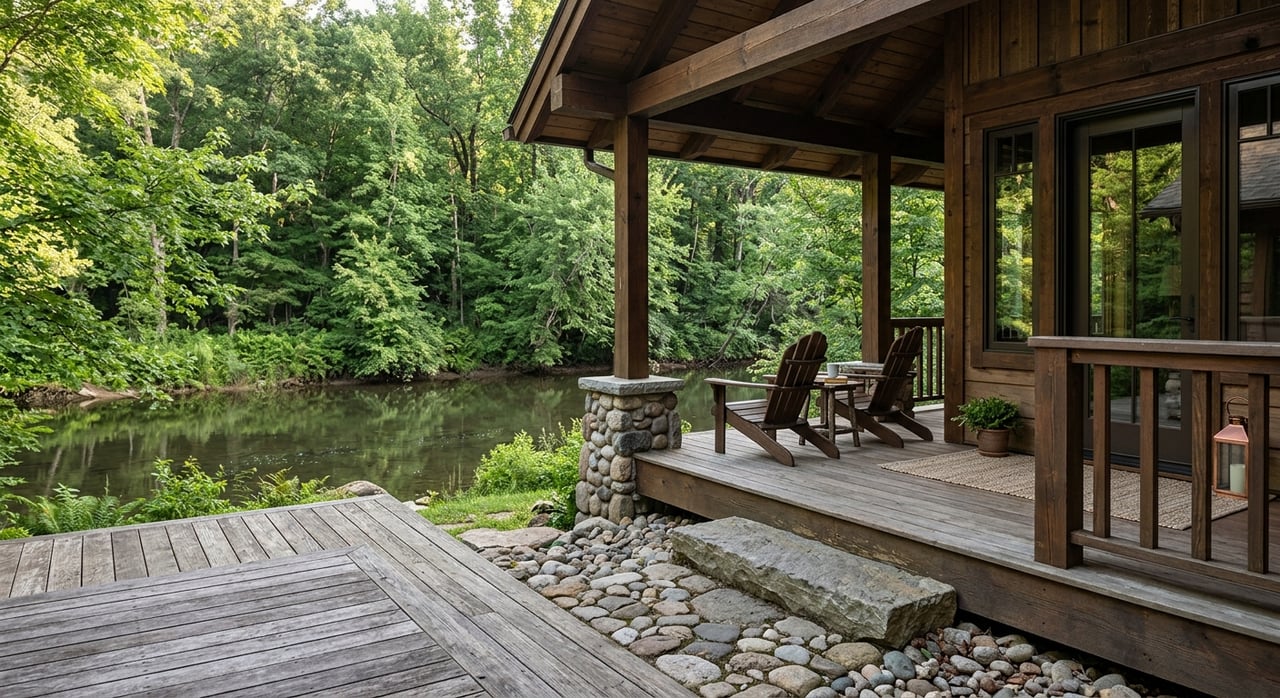
Buying A Fishing Cabin In Wolf Creek Montana
May 21, 2026
May 21, 2026
Dreaming about ending your day with a cast on the Missouri instead of a commute home? Buying a fishing cabin in Wolf Creek, Montana can sound simple on paper, but in a rural recreation market, the details matter just as much as the view. If you want a place that truly works as a weekend retreat, seasonal getaway, or year-round basecamp, this guide will help you focus on what counts most. Let’s dive in.
Wolf Creek sits north of Helena off I-15 and serves as an important recreation hub near the Missouri River and Hauser Lake. Local planning materials describe the broader Wolf Creek and Craig area as a rural, recreation-oriented corridor where fishing tourism, second homes, and outdoor recreation play a meaningful role in the local economy.
That setting shapes the kind of property market you will find here. This is not a suburban cabin market with broad utility service and dense development. It is a rural recreational market where access, infrastructure, and land-specific due diligence often matter more than finishes or square footage.
Lewis and Clark County planning materials also note that development pressure tends to cluster along the Missouri River and Holter Lake corridor. The area includes a mix of seasonal and year-round residences, so buyers need to look closely at how each property is set up for the way they actually plan to use it.
In Wolf Creek, a strong fishing-cabin purchase is usually about function first. A beautiful cabin can still be the wrong fit if it lacks the access, storage, or utility setup you need.
Many buyers prioritize practical features like:
Those priorities reflect the local reality of rural recreational ownership. In a place like Wolf Creek, the property needs to support your time on the water, not just look good in listing photos.
One of the biggest mistakes buyers can make is assuming that owning near the river means easy legal access to it. In Wolf Creek, that distinction matters.
Montana Fish, Wildlife & Parks operates the Wolf Creek Bridge Fishing Access Site on the Missouri River. It is open year-round and includes a concrete ramp, primitive campsite, and easy accessibility. Nearby, Bull Pasture Fishing Access Site offers a hand launch and is limited to non-motorized boating.
That public access is valuable, but it is not the same as owning a private river basecamp. Montana stream access law allows public recreational use of rivers and streams up to the ordinary high-water mark, but it does not allow people to cross posted private land to reach the water.
For you as a buyer, that means two separate questions need answers:
Public bridge access and county road right-of-way access may be protected, but private parcel access still needs to be verified. A cabin with a pretty shoreline view may not offer the kind of direct river use you imagined.
If you are buying a cabin mainly for fishing, it helps to understand how local fishing use actually works. The Missouri River around Wolf Creek is not governed by one simple statewide rule for every stretch of water.
Montana Fish, Wildlife & Parks says anglers should first identify the fishing district, then review standard regulations, then check whether a specific waterbody has its own exception. The 2026 fishing regulations include separate exception entries for the Missouri River and Holter Reservoir sections, so it is important to verify the exact reach you plan to fish.
Licensing matters too, especially if you are coming from out of state. FWP says anyone age 12 or older needs a valid fishing license, and most anglers will also need a conservation license, a base fishing license, and the Angler Aquatic Invasive Species Prevention Pass.
In many Montana recreation markets, utilities are part of the value equation. Wolf Creek is a clear example.
Lewis and Clark County says there are no public water or sewer facilities in the planning area. Wastewater is generally handled by individual septic systems, water is generally supplied by onsite wells, electrical power is provided by NorthWestern Energy, and natural gas is not available.
That means you should treat utility diligence as a first-step issue, not a closing-week issue. A fishing cabin that depends on a problematic well or an aging septic system can become expensive and stressful in a hurry.
The county’s septic guidance makes one thing clear: you need current, parcel-specific information. Septic permits expire one year after issuance, and a site evaluation is required when developing an undeveloped parcel or replacing or adding a system.
The county also notes that subdivision review by the Montana Department of Environmental Quality may be required in certain situations, including parcels under 20 acres, family transfers, condominiums, RV parks, and similar uses. Many systems must also report maintenance status every 3 to 5 years.
Before you commit, ask questions like:
Wells are common in the Wolf Creek area, but a well is not just a hole in the ground. Water rights and water-use records matter.
The Montana Department of Natural Resources and Conservation says a recorded water right is required for most uses of water in Montana. Starting January 1, 2026, water users who intend to develop water use through a permit exception must file a Notice of Intent before using water from an exempt well.
DNRC also says buyers can check whether a water right or Notice of Intent is attached to a parcel. If a cabin relies on a well, you want to understand both the physical water source and the paperwork tied to it.
In a river corridor, floodplain review should happen early. In Wolf Creek, that is especially important for buyers looking at riverfront or near-river property.
Lewis and Clark County says its floodplain program uses FEMA Flood Insurance Rate Maps, and a floodplain permit is required before development in the floodplain. That includes residential construction as well as work such as bridge projects, culvert installation, drilling, and excavation.
The county also says public disclosure of floodplain status before a sale is required by law. If you are considering improvements, expansions, or a future rebuild, floodplain status can affect what is possible.
Wildfire is the other major risk to keep on your list. Lewis and Clark County says wildfires are the most common emergency in the county, while floods cause the most property damage. The county also identifies May and June as peak flood season.
For cabin buyers, that makes practical site features especially important:
Another common mistake is assuming the neighboring property tells you what your parcel can do. In Lewis and Clark County, zoning is parcel-specific.
The county says it uses both Part 1 and Part 2 zoning systems and directs owners to confirm the zoning that applies to a specific parcel. Because zoning boundaries can overlap, two nearby cabins may not follow the same rules.
If you are thinking beyond simple personal use, this matters even more. Any plans for additions, rebuilding, accessory structures, or changes in use should be checked against the parcel’s actual zoning and county requirements.
Taxes also deserve a close look because the annual carrying cost of a cabin includes more than the mortgage. Lewis and Clark County says property taxes help fund services such as fire protection, law enforcement, county roads, public health, libraries, parks, and social services.
The county also has special-purpose districts, including fire service areas and water or sewer districts. The Wolf Creek/Craig Fire Service Area is specifically listed, so you will want to understand what applies to the parcel you are considering.
Not every Wolf Creek cabin is set up the same way. County planning materials describe the corridor as having both seasonal and year-round residences, and that difference matters when you build your shortlist.
If you want a true four-season retreat, pay close attention to road access, utility reliability, heating setup, and emergency access. If your goal is a lighter-use fishing basecamp, you may be comfortable with a simpler setup.
The key is matching the property to your real habits. A cabin that works beautifully for summer fishing weekends may not be the right fit for winter use or extended stays.
When you tour or evaluate fishing cabins in Wolf Creek, keep this checklist handy:
A Wolf Creek fishing cabin is only partly about the cabin itself. In this market, parcel access, water rights, septic, floodplain status, road conditions, fire service area, and zoning often determine whether the property truly works as a fishing retreat.
That is why local representation matters on specialized recreational properties. You want guidance that understands not just Montana real estate in general, but the on-the-ground realities of rural property along the Missouri River corridor.
If you are thinking about buying a fishing cabin in Wolf Creek, the right support can help you ask better questions, spot issues sooner, and move forward with more confidence. When you are ready to explore properties or talk through what makes a strong recreational purchase in this area, connect with Live in Montana Real Estate.
Stay up to date on the latest real estate trends.
Live In Montana Real Estate delivers deep local knowledge and full-service support—residential, land, and commercial. Let them guide you through Montana’s unique market with integrity, expertise, and personalized care for every property need.