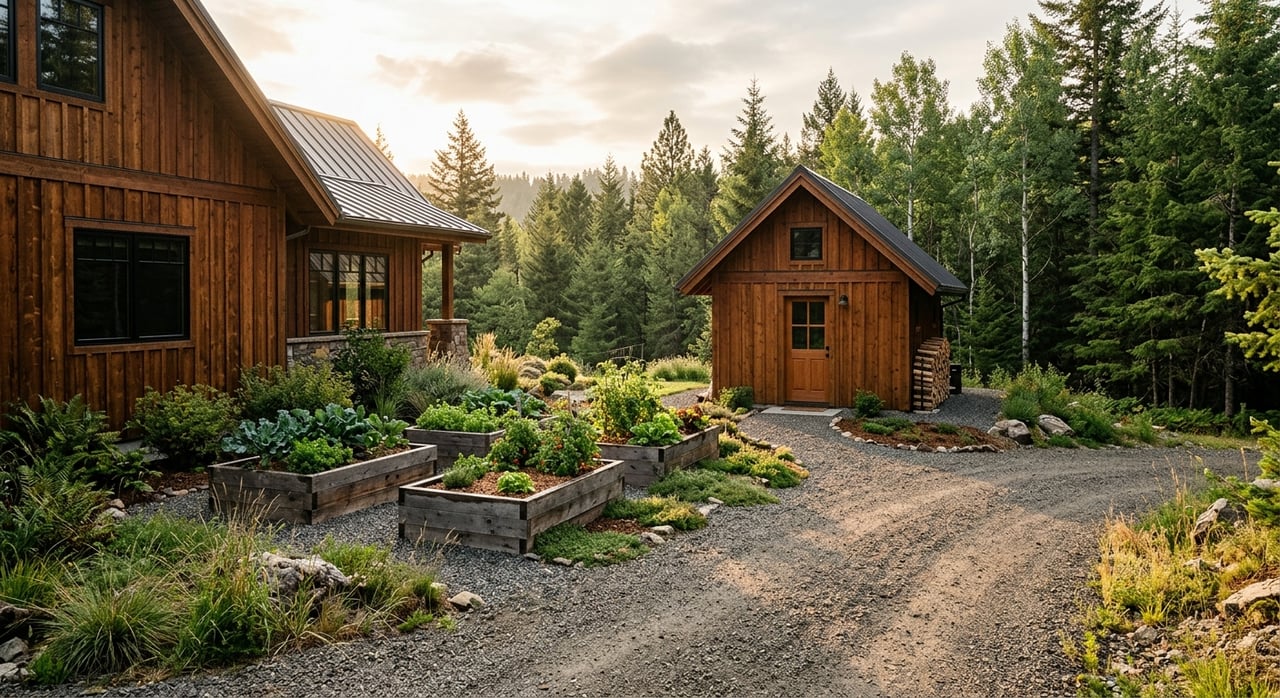
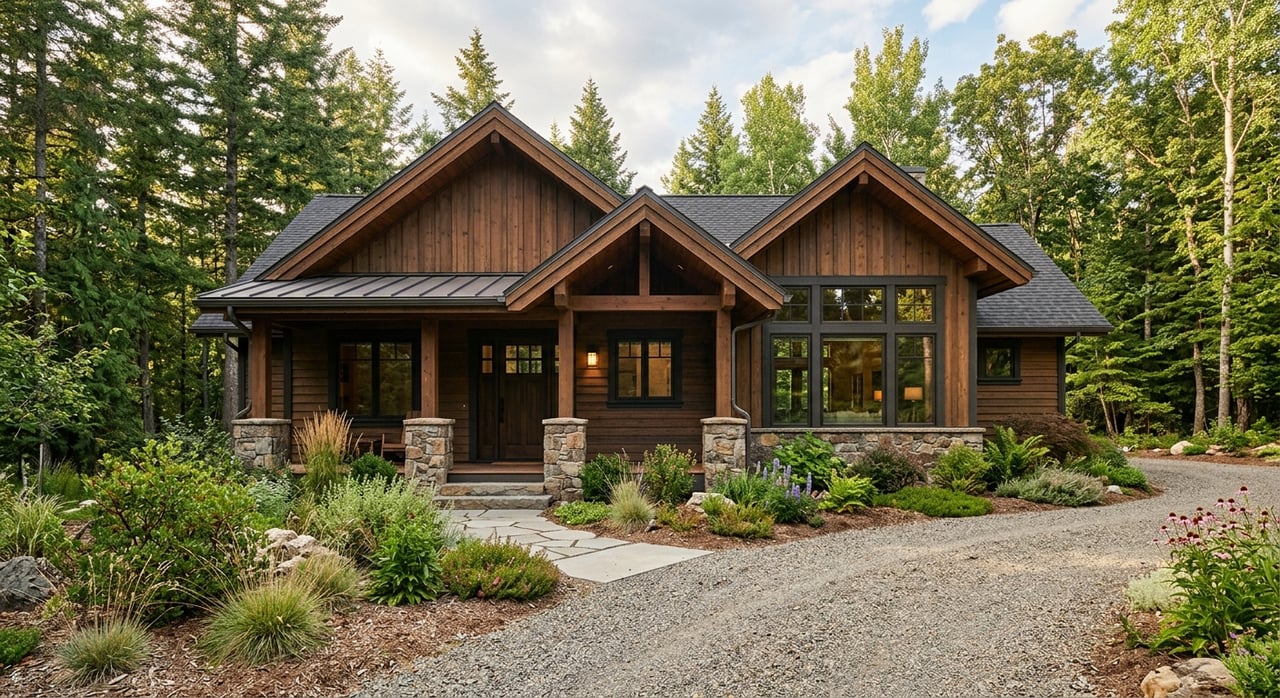
Thinking about selling a farm, hobby farm, or small acreage near Cut Bank? Rural buyers look for proof, not promises. They want clear answers on water, access, soils, and income potential before they ever book a showing. If you prepare the right documents and present your land the way ag and acreage buyers expect, you can attract stronger offers and close with fewer surprises.
This guide walks you through what to gather, how to market, what timelines to expect, and the local water and access issues that matter in Glacier County. Let’s dive in.
Prep documents Glacier County buyers expect
Serious land buyers do their homework. Make it easy for them with a well-organized packet. Aim to scan everything into one folder you can share digitally.
- Deed, surveys, and easements. Pull the recorded deed, any Certificates of Survey, and easements from the Glacier County Clerk & Recorder. If the survey is old, consider ordering a new one before listing.
- Title commitment. Order a current title commitment early so buyers and lenders can see exceptions, mineral reservations, and liens.
- Water rights and wells. Download water-right abstracts from DNRC’s system and include well logs, permits, and any pump tests. The DNRC’s Water Right Query System user guide explains how to pull official abstracts. If your basin has recent decree activity, attach the relevant Water Court notice, like this example Final Decree notice.
- FSA/USDA farm records. Many buyers want FSA history, base acres, maps, and any CRP contracts. Contact the Glacier County office using the county newsletter info in this FSA resource.
- Taxes and land classification. Add recent county tax statements and note the property’s classification and any ag valuation or exemptions.
- Leases and income. Include current grazing, crop, or hunting leases and simple income/expense summaries.
- Septic, permits, and repairs. Provide septic and well inspections if available, plus recent invoices for fencing, roofs, corrals, or equipment.
- Minerals and restrictions. Clarify what mineral interests convey and include any conservation easements or deed restrictions.
- Montana Realty Transfer Certificate. Plan for an RTC at recording. The Montana Land Title Association’s resource page links to guidance used by title companies.
Water realities in north-central Montana
Water can be the deal maker. Buyers will ask for the official DNRC abstract showing priority date, flow or volume, purpose, point of diversion, and place of use. Pull your abstracts and make sure owner names and places of use match your deeded lands. Use the DNRC’s WRQS guide and add a one-page summary for the listing packet.
If you rely on canal deliveries, be clear about your relationship to the Milk River Project. The Bureau of Reclamation tracks repairs and operations for the St. Mary diversion and related works on its project page. When delivery infrastructure is under repair, buyers may adjust pricing or request escrows, so it pays to disclose early.
Private wells matter too. Montana’s rules for formerly exempt groundwater and related administration have seen recent changes. Review updates like this 2026 summary of legislative activity affecting water rights and exempt wells from Parsons Behle and make sure your permits and well logs are in order.
Finally, monitor basin adjudication. If your area has a new Preliminary or Final Decree, compare your abstracts and any remarks to the decree language. See a DNRC Final Decree notice example to understand what these look like.
Buyer questions you should answer
Prepare concise, one-page summaries so buyers can evaluate your acreage quickly.
- Water and irrigation. Provide DNRC abstracts and any ditch or canal agreements. If you receive project water, explain the delivery schedule and point of delivery with a simple map.
- Soils and productivity. Include a soils map and short note on tillable acres or grazing potential. The NRCS Web Soil Survey process is explained in this step-by-step guide.
- Access and maintenance. Clarify whether access is by a public county road or private easement, who maintains winter plowing, and any recorded road or utility easements.
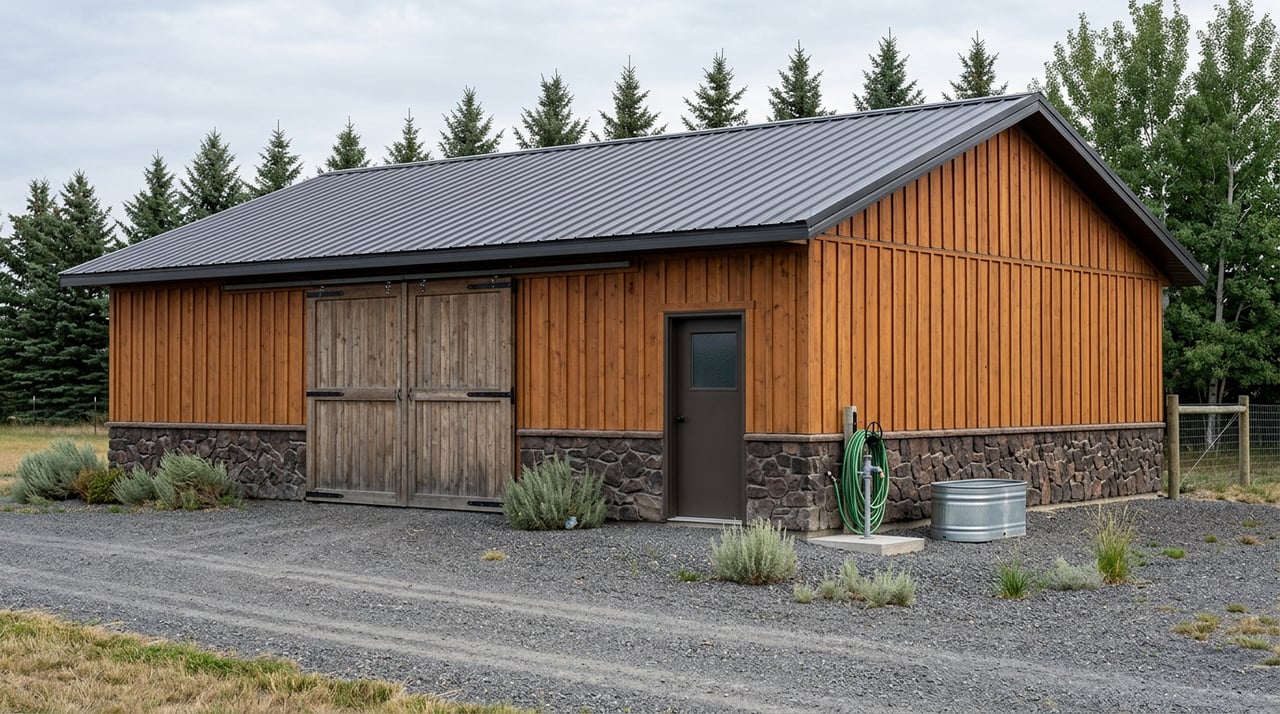
- Outbuildings and fencing. List building ages, repairs, power and water to each structure, and recent fence work.
- Utilities and broadband. Summarize power location, propane use, and internet options. The state’s broadband office explains mapping and eligibility in its ConnectMT FAQ.
Show the land’s productivity
A clear soils and acreage picture helps buyers project yields or carrying capacity. Use NRCS Web Soil Survey to map your parcel, then label tillable, pasture, and any CRP with colored overlays in your marketing package. Pair the map with a short, plain-English note on what the soils generally support, using the NRCS WSS guidance to interpret farmland classifications.
Seasonal photos also help. Include drone images that outline field boundaries, irrigation features, driveways, and outbuildings, plus photos that show pasture condition and shelter during different times of year.
Pricing and marketing that work here
Rural comps vary. Have your broker pull recent closed sales of similar acreage in Glacier and neighboring counties and consider an appraiser experienced with Montana ag land. A land-savvy team will build a listing packet with surveys, water abstracts, FSA maps, soils, title exceptions, utility notes, and lease summaries so buyers can underwrite from their desk.
For reach, use multi-MLS distribution and land-focused channels, supported by drone video, professional photography, and clear acreage maps. Share quick-reference data with Farm Credit and ag lenders that serve north-central Montana so qualified buyers can align financing early.
Timeline from prep to closing
- Document prep and cleanups: 2 to 6 weeks. Order title, pull surveys, water abstracts, FSA files, and schedule well and septic inspections.
- Active marketing to offer: 1 to 6 months or more. Irrigated or well-improved properties often move faster.
- Due diligence period: 30 to 90 days. Expect water-right verification, survey review, lender appraisals, and inspections.
- Closing after contingencies: 30 to 60 days. Timelines can extend with FSA or specialty ag lending.
Common negotiation points
- Boundaries and surveys. A recent survey removes friction over fences, corners, or acres claimed.
- Water and irrigation. If project repairs or decree issues are pending, buyers may ask for price adjustments or escrowed funds until matters resolve.
- Outbuildings and fencing. Credits or repair allowances are common for aged roofs, pens, wind damage, or deferred maintenance.
Cut Bank seller checklist
- Order a current title commitment and review exceptions with your broker.
- Pull and scan your deed, any Certificates of Survey, and recorded easements from the Glacier County Clerk & Recorder.
- Download DNRC water-right abstracts and well permits and prepare a one-page water summary with points of diversion and places of use.
- Request your FSA producer file, base acres, and maps from the Glacier County FSA office and note any CRP obligations.
- Create an NRCS WSS soils map and add a short note on tillable and pasture acres.
- Gather septic and well inspections, outbuilding repair invoices, and utility notes.
- Clarify mineral interests and whether any leases or reservations exist.
- If your area has new Water Court decree activity, attach a short note and a copy of the relevant notice so buyers understand the status.
- Prepare a simple utility and broadband summary using address-level checks and the state’s ConnectMT resources.
- Coordinate professional photos, drone, and an acreage map that labels tillable, pasture, CRP, and access.
Local flags to surface early
- Adjudication and decrees. If a Preliminary or Final Decree affects your basin, compare abstracts to decree terms and flag any remarks or objections for buyers. See a DNRC Final Decree notice example.
- Milk River Project context. If you receive project water, disclose how deliveries reach your parcel and note any recent repair work. The Bureau of Reclamation’s project page provides context you can reference.
- Groundwater administration. Keep well permits and logs current and be aware of recent changes described in state-level updates.
- Tribal compacts and reserved rights. Parcels near certain basin or reservation boundaries may be subject to compact-related administration. Review the Blackfeet compact statute text for context at Montana Code 85-20-1501.
Work with a land-savvy team
Selling acreage in Glacier County is part records exercise, part storytelling. You need clean water and title docs, plus visuals that help buyers picture how the land works. Our team blends local roots with modern marketing, multi-MLS reach, drone media, and land-specific guidance to help you price right, market clearly, and negotiate with confidence.
Ready to talk strategy for your Cut Bank farm or small acreage? Connect with a Montana expert at Live in Montana Real Estate.
FAQs
What documents do I need to sell a small acreage near Cut Bank?
- Assemble your deed, surveys, recorded easements, a current title commitment, DNRC water-right abstracts and well logs, FSA files and maps, tax statements, leases, permits, and any conservation or mineral documents.
How do Montana water rights affect my sale?
- Buyers want the DNRC abstract showing priority date, purpose, flow or volume, and place of use, plus awareness of any recent Water Court decree activity that could affect administration.
Is my property part of the Milk River Project and why does it matter?
- If you receive project water, disclose how it is delivered and any repair-related timing that could affect near-term deliveries, since buyers factor that into operations and pricing.
Do I need a new survey before listing rural acreage?
- If the recorded Certificate of Survey is old or boundaries are unclear on the ground, a new survey can remove doubt, speed due diligence, and reduce negotiation risk over fences or acres.
How long does it take to sell rural land in Glacier County?
- Typical timelines run 1 to 6 months or more to find a serious buyer, plus 30 to 90 days for due diligence and another 30 to 60 days to close, depending on lending and title items.
What is the Montana Realty Transfer Certificate (RTC)?
- The RTC is a form required when recording a property transfer in Montana, used for state valuation records, and your title company will facilitate it at closing.