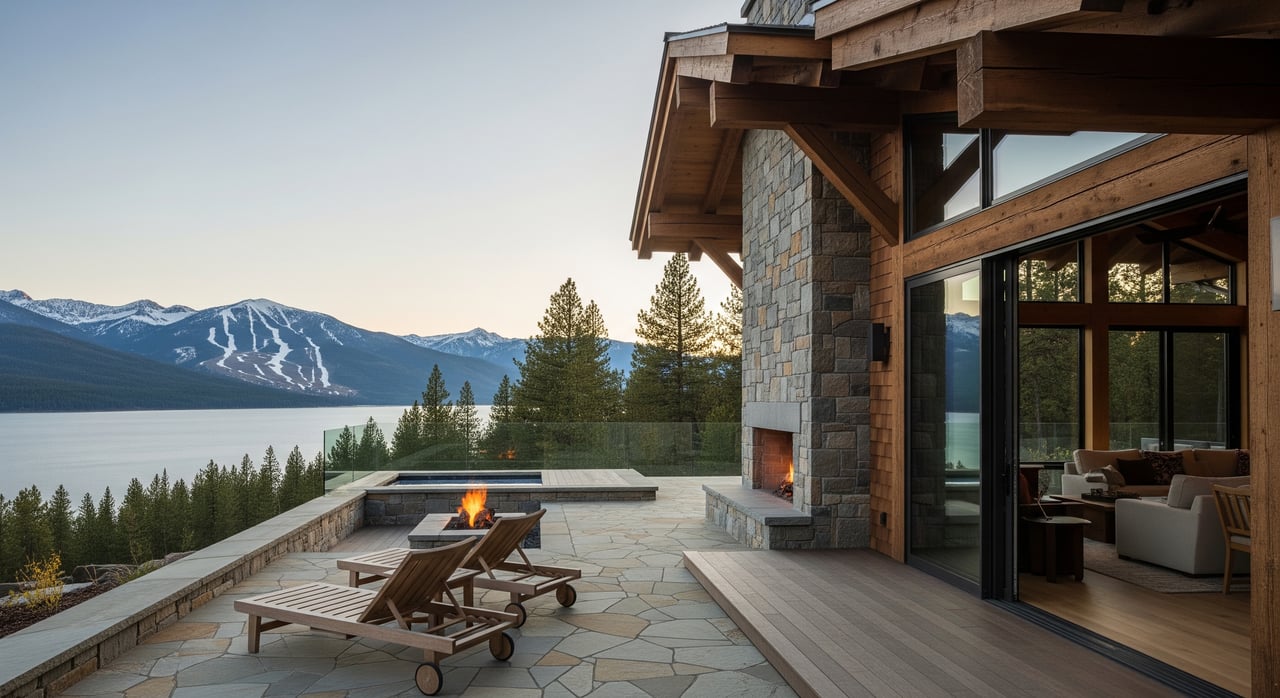
Your Guide to a Whitefish MT Second Home
February 5, 2026
February 5, 2026
Dreaming of powder mornings at the mountain and sunset boat rides on Whitefish Lake? Owning a second home in Whitefish puts you close to year-round adventure while giving you a place to unwind. Still, a vacation home works best when you plan for seasons, costs, and local rules. This guide walks you through the essentials so you can buy with confidence and enjoy the lifestyle. Let’s dive in.
Whitefish sits in the Flathead Valley with easy access to both lake life and skiing. You can spend winter days at Whitefish Mountain Resort and summer days on the water or in nearby Glacier National Park. If you travel in and out, Glacier Park International Airport (FCA) in Kalispell is the primary gateway and keeps your trips simple.
Tourism drives strong demand in two peaks: winter for skiing and summer for the lake and park. Spring and fall are quieter but still see visitors for hiking and leaf color. That rhythm influences everything from rental income to maintenance scheduling.
If you plan to rent your place part of the year, start with the rules. The City of Whitefish has specific licensing requirements for short-term rentals and collects local lodging taxes. Always verify current STR rules and permit steps directly with the City of Whitefish before you buy.
Rental feasibility depends on more than demand. Run the numbers for nightly rates by season, occupancy, platform and management fees, lodging taxes, cleaning, utilities, and reserves. Local property managers typically charge about 20 to 35 percent of booking revenue for full-service STR management, which covers listings, guest support, and turnovers.
HOAs and county rules matter too. Some neighborhoods limit rentals or set minimum stays. Confirm any restrictions with HOA documents and review county resources through Flathead County.
A second home has a different cost profile than a primary residence. Build a conservative annual plan so you are not surprised.
Here is a simple expense checklist to start your pro forma:
Tip: Build a vacancy allowance for shoulder seasons. It is safer to underestimate summer and winter occupancy than to count on peak calendars every year.
Whitefish winters are cold and snowy. Confirm who plows your roads and driveway, then set a schedule for snow removal so you and guests can access the property. Reliable heating and good insulation are essential. Smart thermostats and remote monitoring help you prevent frozen pipes when the home is vacant.
Summer brings a different checklist. Plan for septic care if you are not on city sewer, manage water use, and schedule exterior repairs during the warmer months. For natural hazards, review wildfire exposure with resources from the Montana DNRC and check flood risk using the FEMA Flood Map Service. If flood insurance might apply, learn the basics through FEMA’s FloodSmart program.
Flying in is straightforward. Most second-home owners and guests use Glacier Park International Airport and reach downtown Whitefish quickly by car. Plan travel and supply runs around peak periods such as holiday ski weeks and midsummer to avoid congestion.
If you host renters, share clear arrival instructions and backup plans in case of weather delays. Keep local emergency contacts ready for plumbing, heating, and access issues.
Use this list to focus your pre-offer and pre-closing tasks.
You are never far from adventure here. Spend a bluebird day at Whitefish Mountain Resort, then stroll through town for dinner. In summer, hit the lake or plan day trips to Glacier National Park for hiking and scenic drives. With planning in place, you can focus on making memories, not managing surprises.
If Whitefish feels like the right fit, line up your lending questions, gather your must-haves, and verify rental goals and rules early. A local, full-service brokerage can help you evaluate neighborhoods, due diligence items, and property types that match your plans.
Ready to explore second homes and recreational properties around Whitefish and the Flathead Valley? Connect with Lynn Kenyon to start a smart, well-planned search that fits your lifestyle.
Stay up to date on the latest real estate trends.
Live In Montana Real Estate delivers deep local knowledge and full-service support—residential, land, and commercial. Let them guide you through Montana’s unique market with integrity, expertise, and personalized care for every property need.