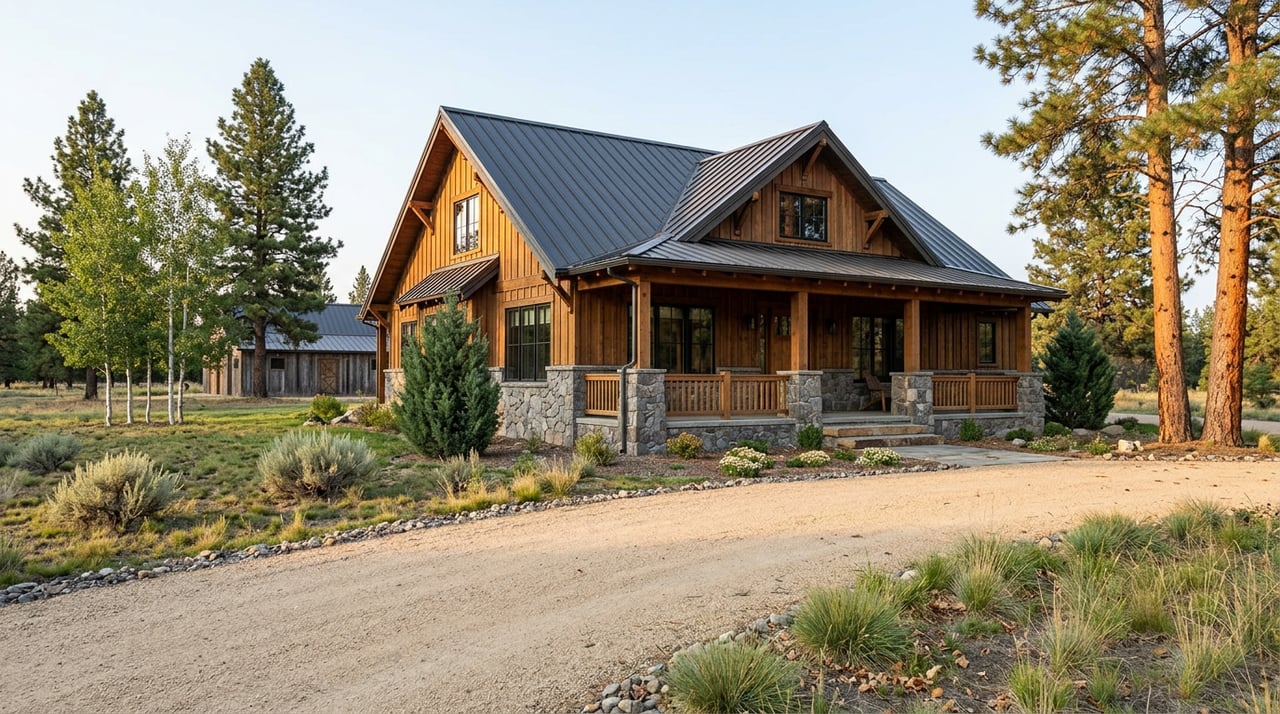
Explore Augusta MT Lifestyle Real Estate and Housing
March 5, 2026
March 5, 2026
If your perfect day starts with mountain views, clear streams, and a truck loaded with gear, Augusta might be your kind of place. Set along the Rocky Mountain Front, it puts you close to legendary wilderness, working ranchland, and open skies. If you are weighing a move here, you likely want to know how the outdoor lifestyle actually works day to day and what types of properties fit that life. In this guide, you will learn how access works, what to expect from local housing and utilities, and a smart checklist to help you buy with confidence. Let’s dive in.
Augusta sits where the Great Plains rise into the Rockies, a natural staging point for trailheads that lead into the Bob Marshall and Scapegoat Wilderness areas. Many buyers come for the access to pack trips, big-game seasons, and wide country that still feels wild. The town has a small, practical footprint that supports those routines with fuel, food, and local services.
The Bob Marshall Wilderness Complex is often described as 1.5 million acres of designated wilderness with iconic backcountry features like the Chinese Wall. If your bucket list includes multi-day loops and high-elevation ridge walks, the Augusta side is a classic jump-off point. You can get a feel for that terrain from resources that detail the Chinese Wall loop and Bob Marshall access.
Benchmark is one of the most-used gateways into the Bob and Scapegoat from the Augusta side. The Benchmark Campground and trailhead are practical staging areas for hiking and horse pack trips. Roads and trail approaches can be seasonal, and some routes are not plowed in winter. Most visitors plan summer and early fall trips when access is most reliable.
South Fork and Straight Creek routes also connect into interior country. Approaches like the Kenck Cabin area illustrate how conditions can be seasonal and weather dependent. Before you head out, check current road status and snow levels. Resources that list Kenck Cabin and nearby routes note that some approaches are unplowed outside the main season, which affects timing and logistics for trips into the Bob. A quick reference like Kenck Cabin campground details can help frame expectations.
The Sun River Wildlife Management Area sits along the Front near Augusta and protects key elk winter range. It draws attention in every season, from fall hunts to spring shed-antler gatherings and year-round wildlife viewing. For a concise overview, scan Montana Fish, Wildlife & Parks’ write-up within The Montana Outdoors Best 100. The WMA uses seasonal gate closures to protect wintering animals, so always check dates before you go.
Private-land ownership is part of the Rocky Mountain Front story. Montana’s Block Management Program helps by opening participating private lands to public hunting under clear rules. Each Block Management Area in Region 4 has its own map, season notes, and sometimes a reservation process. If hunting is part of your plan, start early with the Region 4 Block Management resources and maps so you can match your calendar to local rules.
Augusta supports an active outfitting tradition that includes multi-generation packers, permitted wilderness camps, and guest ranches. These operations run summer pack trips, guided fishing, and fall big-game hunts. For example, Mills Wilderness Adventures showcases the backcountry trips many people come here to experience. The outfitting economy also supports lodging, seasonal rentals, and practical services like stock facilities and gear storage.
If you expect to harvest big game, plan for meat processing logistics. Some local outfitters note that there is no dedicated wild-game processor in Augusta, so harvested animals are often transported to larger centers like Great Falls, Helena, or Lincoln. That impacts how you pack coolers, time your drive, and manage your hunt plan. A quick scan of an outfitter’s logistics notes, such as Mark Young Outfitters’ hunting page, gives a sense of common practice.
You will see three broad property types:
Inventory is limited, and prices can shift with small sample sizes. Third-party aggregators offer snapshots that change quickly. For the most accurate picture, confirm current numbers and availability with a local MLS-connected agent who works this trade area.
Rural parcels typically rely on private wells. Yields vary by location and geology, so request well logs and confirm production before you buy. Lenders often expect a minimum yield, and you will need to file the right paperwork for beneficial use in Montana. For a helpful primer on well considerations, see this guide to water-well drilling for prospective owners.
Most acreage properties use septic systems that require county and state review. Expect a permit process, system design, and an approved drainfield. Start with an early call to county sanitation so you know what to budget and how long approvals take. The Montana DEQ provides an overview of permitting and environmental review so you can orient your checklist.
Many parcels have nearby power lines, but the cost to bring service to a building site can vary. Broadband is mixed in rural Lewis and Clark County. Satellite and fixed-wireless are commonly used fallbacks, though actual speeds and latency depend on address and provider. Do an address-level check with tools that summarize internet options in Augusta before you write an offer.
Some forest approaches and reservoir roads are unplowed in winter or passable only in good weather. That matters for daily driving, equipment delivery, and year-round living. If a property relies on a Forest Service approach or has a long gravel run, verify county maintenance and snow removal. References like Kenck Cabin’s seasonal access notes illustrate what to expect.
Use this practical list as you explore properties around Augusta:
Buying land or a home near Augusta is about more than bedrooms and bathrooms. It is about knowing which trailheads you will use, how your well and septic will pencil out, and what the road looks like after a March storm. Our team pairs local knowledge with multi-MLS reach and high-quality marketing so you get clear guidance and strong representation across residential, land, and ranch properties. If you are ready to explore Augusta and the Rocky Mountain Front, connect with the team at Live in Montana Real Estate to plan your next move.
Stay up to date on the latest real estate trends.


Live In Montana Real Estate delivers deep local knowledge and full-service support—residential, land, and commercial. Let them guide you through Montana’s unique market with integrity, expertise, and personalized care for every property need.